
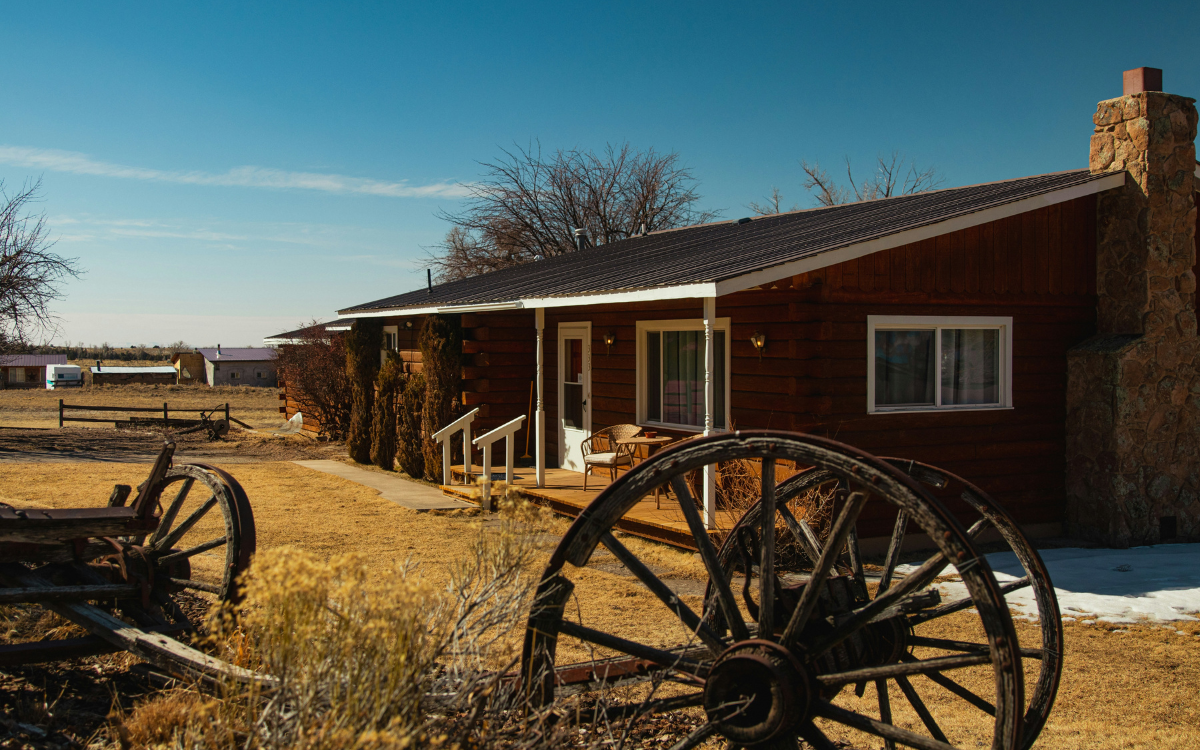
Buying your first piece of land in Texas is exciting — but it's also a different process than buying a house. Land purchases often come with questions about financing, surveys, and rural utilities like wells and septic systems that you just don't run into with a typical home sale. Here are answers to the questions we hear most often from first-time land buyers.
How do I finance raw land?
Traditional mortgages are designed for homes, not vacant land, so financing usually looks a little different. Many buyers use a land loan through a local bank or credit union, which typically requires a larger down payment (often 20-50%) and comes with a shorter term and higher interest rate than a standard mortgage. Another popular option is seller financing, where the landowner acts as the bank and you make payments directly to them — this is especially common with rural and recreational acreage across Texas. If you plan to build soon, a construction loan that converts to a permanent mortgage can also be a good fit. Cash purchases are common for smaller tracts, too.
Do I need a survey before buying?
In most cases, yes — and it's worth the investment. A survey confirms the exact boundaries of the property, identifies any encroachments, and can reveal easements or right-of-way issues you'll want to know about upfront. This is especially important for larger Texas tracts, where old fence lines may not match the legal description, and access easements across neighboring land are common. A current survey protects you from boundary disputes down the road and is often required by lenders and title companies anyway.
What's the deal with wells and septic systems?
If the land doesn't have access to a rural water co-op or city sewer (common across much of rural Texas), you'll need a well for water and a septic system for wastewater. Here's what to check before you buy:
- Wells: Ask about the well's age, depth, and flow rate. A well inspection can test water quality and confirm the system is functioning properly. In Texas, groundwater rights generally belong to the landowner, but many areas fall under a local Groundwater Conservation District with its own well permitting and spacing rules — worth checking before you count on drilling a new well.
- Septic systems: Have the system inspected to confirm it's working and sized appropriately for the property. The county or local health department can tell you whether the existing septic (OSSF) permit is on file with the appropriate authority and whether the system meets current Texas code — important if you ever plan to add on or sell down the road.
- No existing systems? If the land is undeveloped, get a soil test before you buy. This tells you whether the property can support a septic system, which can significantly affect buildability and value — particularly important given the variety of soil types found across Texas.
Are there other inspections I should consider?
Depending on the property, you may also want to look into a mineral rights search (especially important in Texas, where mineral and surface rights are often separated), a timber or brush assessment, floodplain verification through FEMA maps, and a check on any existing oil, gas, or pipeline easements. Your real estate agent can help point you toward the right local resources for each of these.
What about property taxes and zoning?
Land used for farming, ranching, or wildlife management in Texas may qualify for an agricultural or wildlife valuation, which can mean significant property tax savings — but it doesn't transfer automatically, so check with the county appraisal district about current status and what's required to maintain it. Many rural areas in Texas have no formal zoning, but it's still worth confirming any deed restrictions, easements, or county requirements before you buy.